

Corona Treater
2–20KW, Siemens IGBT core, 25–40KHz, for PE/PP film & automotive sheet
Product Gallery
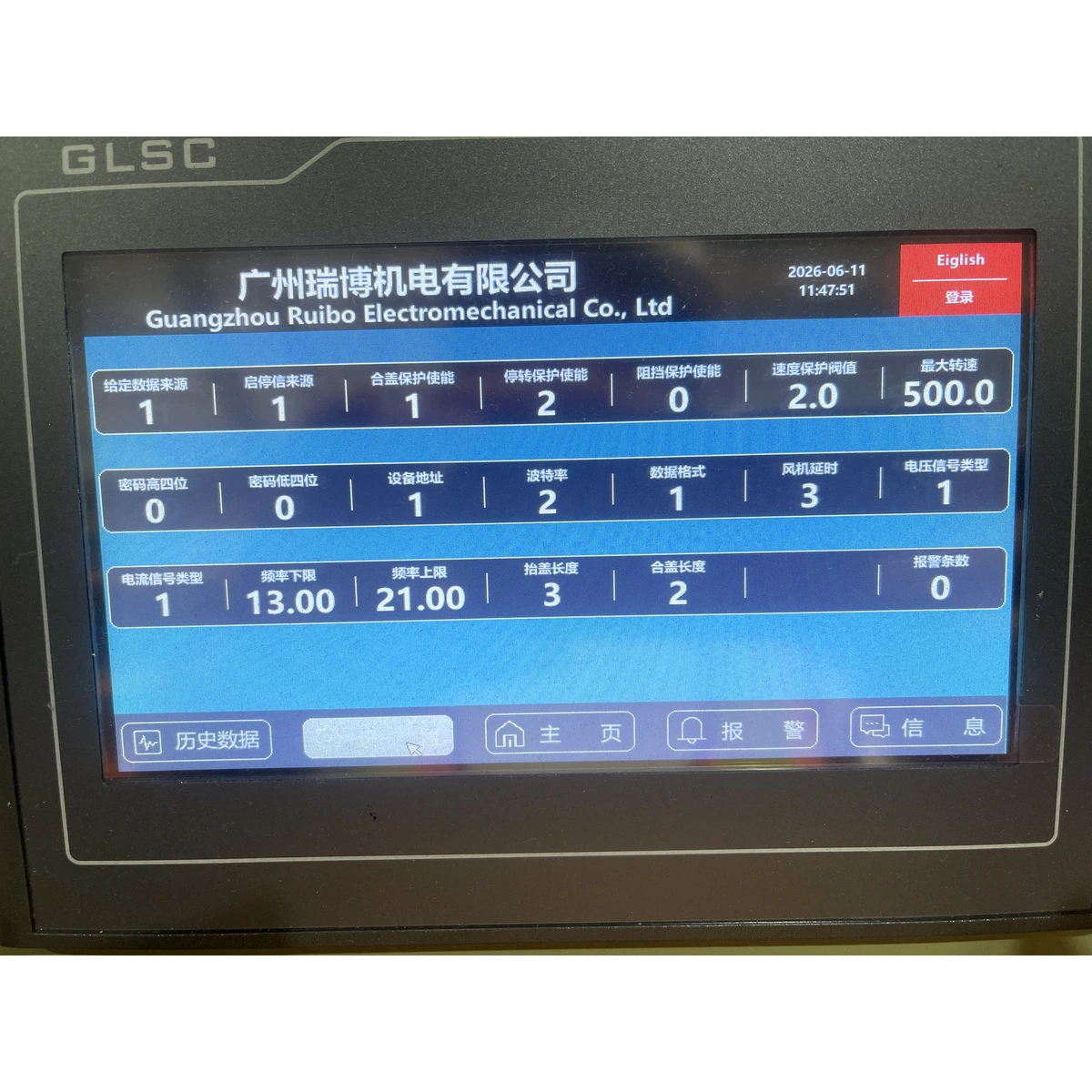
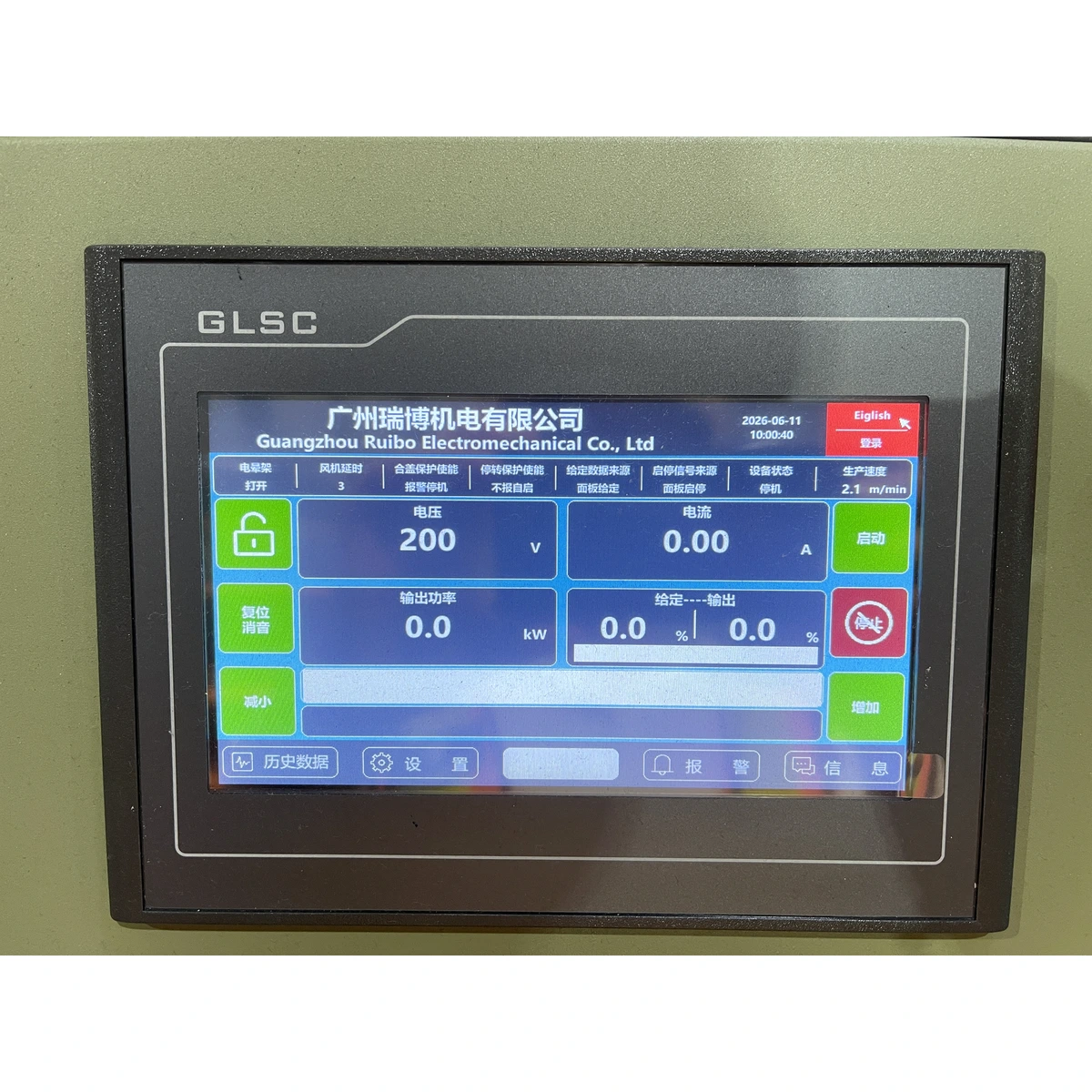
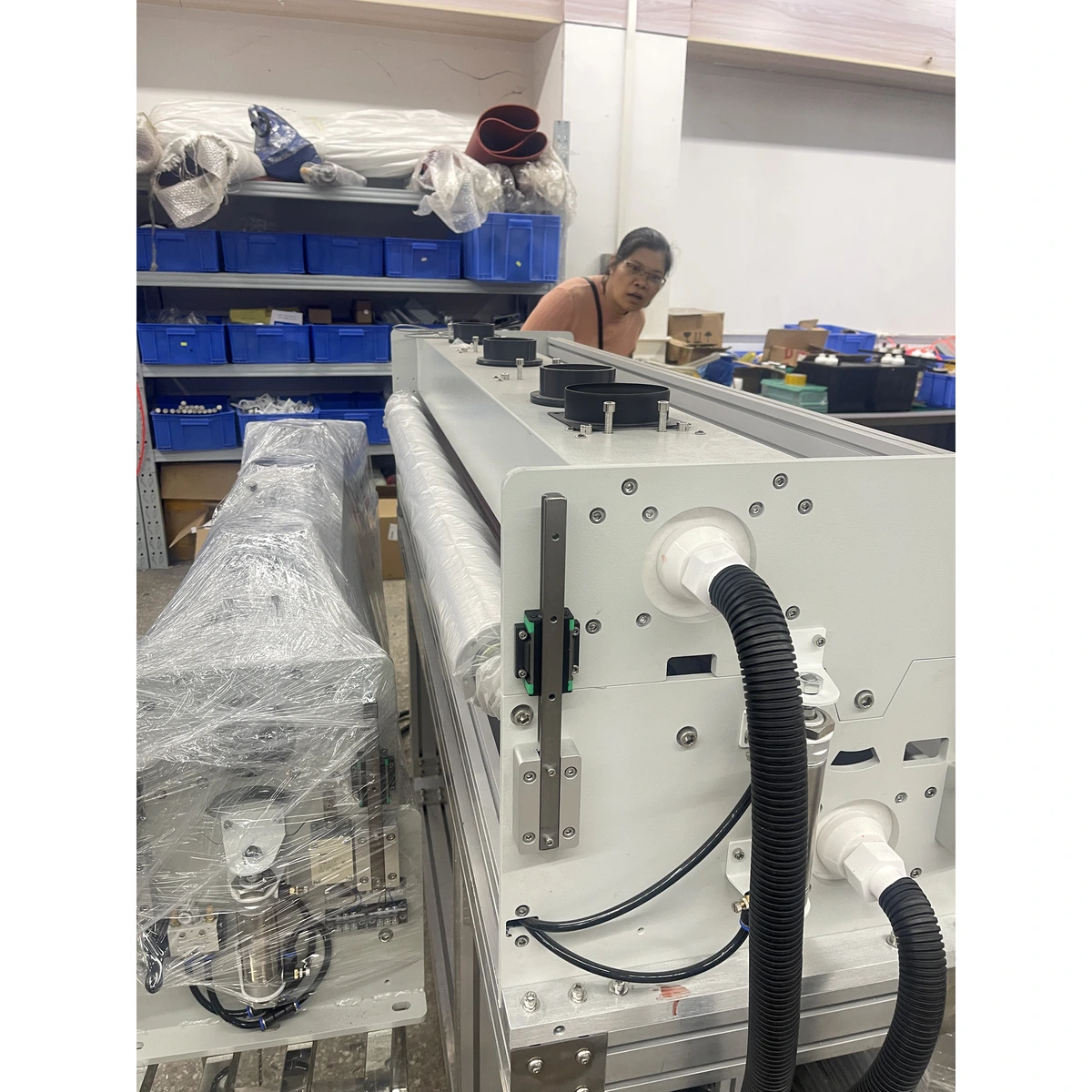
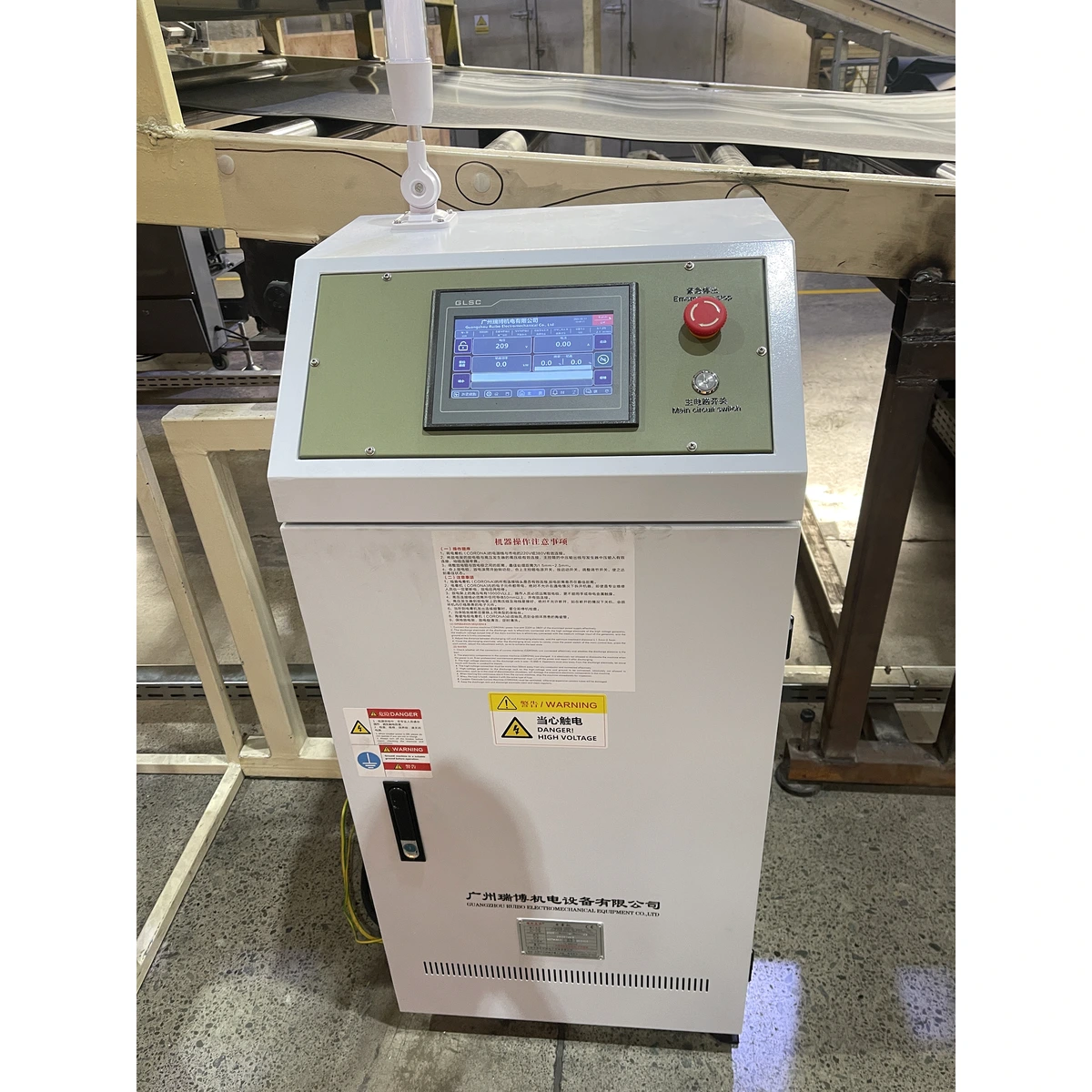
Product Demo Videos
Technical Specifications
| Model Range | HCT-2 / HCT-4 / HCT-6 / HCT-8 / HCT-10 / HCT-12 / HCT-16 / HCT-20 |
| Power | 2KW – 20KW |
| Frequency | 25–40 KHz (Auto-matching load impedance) |
| IGBT Module | Siemens (Germany) — same module as premium European corona systems |
| Treatment Width | Customizable per roller width, tool-less gap adjustment to 0.1mm |
| Electrode | Single-side / Double-side / Enclosed Ceramic |
| Application | PE/PP film, EVA sheet, rubber, metal foil, woven fabric, automotive laminates |
| Voltage | 220V / 380V / 415V / 440V (factory-configured, no external transformer) |
How It Works
Corona treatment uses high-frequency, high-voltage electrical discharge to modify the surface energy of non-porous materials. Our HCT series generates 25–40 KHz alternating current through a Siemens IGBT power module, delivering it to an electrode positioned 2–5mm above a grounded roller. As the material passes through this gap, the corona discharge creates a plasma field that oxidizes the surface at a molecular level — introducing polar functional groups that dramatically increase surface tension from below 30 dyne/cm (untreated) to 45+ dyne/cm (treated). The system's Phase-Locked Loop (PLL) continuously monitors load impedance and auto-adjusts frequency to maintain optimal resonance, ensuring uniform treatment even as material thickness or line speed changes during production.
Key Features
Siemens IGBT Power Core
Genuine German Siemens IGBT modules — the same component in premium European corona systems. 25–40 KHz switching, nanosecond rise times, zero domestic substitute components.
Digital PLL Frequency Control
Phase-Locked Loop auto-matching continuously adjusts frequency to load impedance. No manual tuning. Treatment remains uniform through material changes, speed variations, and electrode wear.
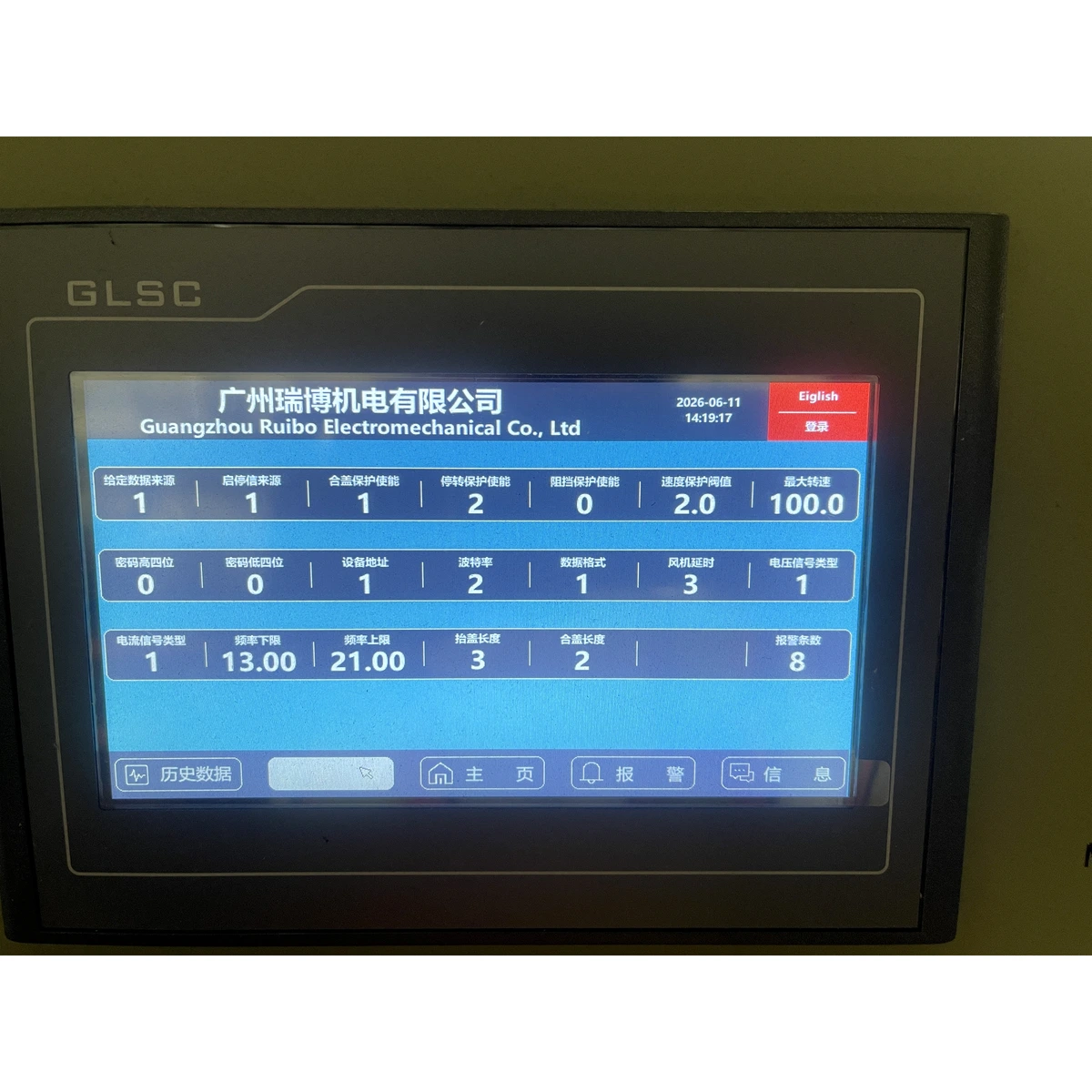
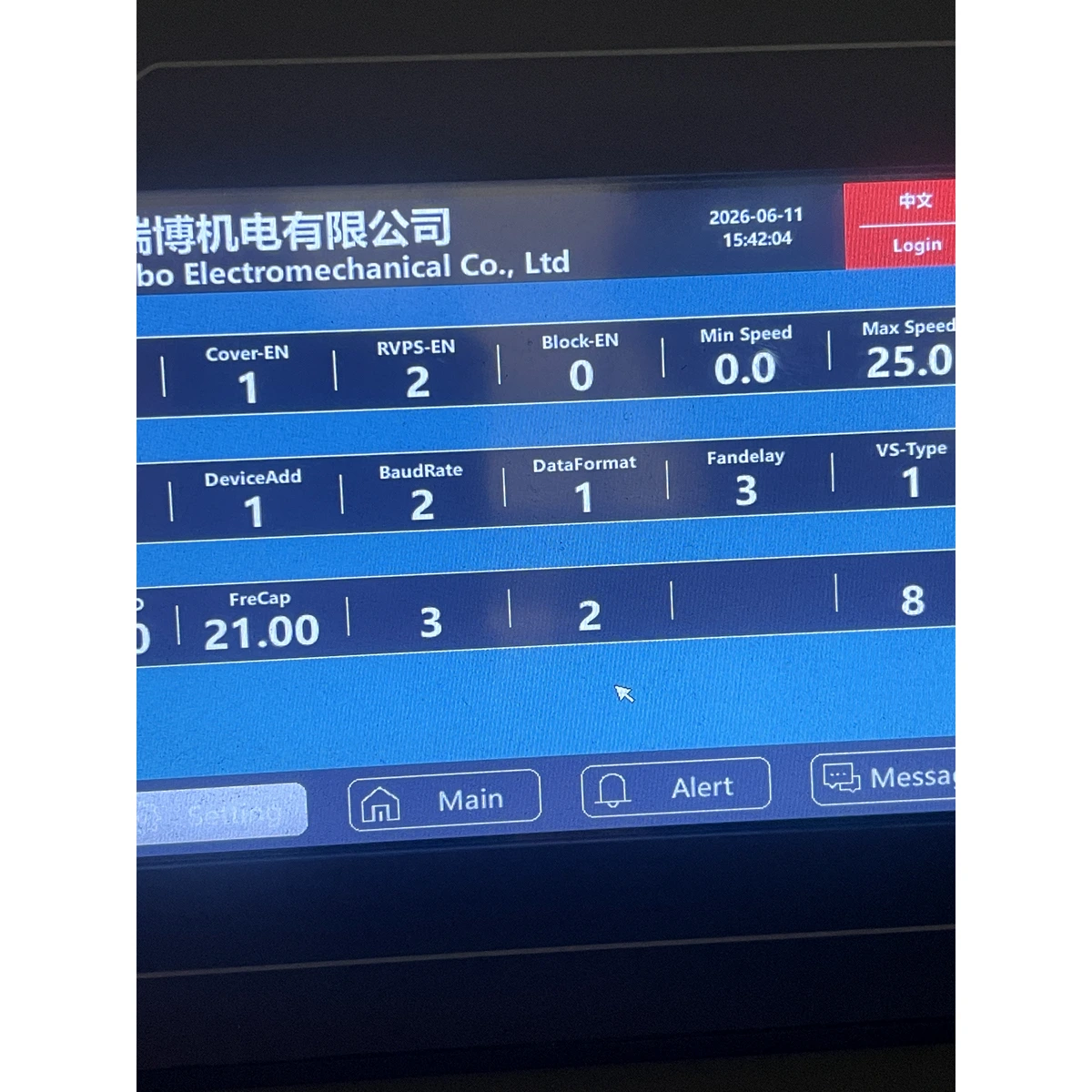
HD Touchscreen with Recipe Storage
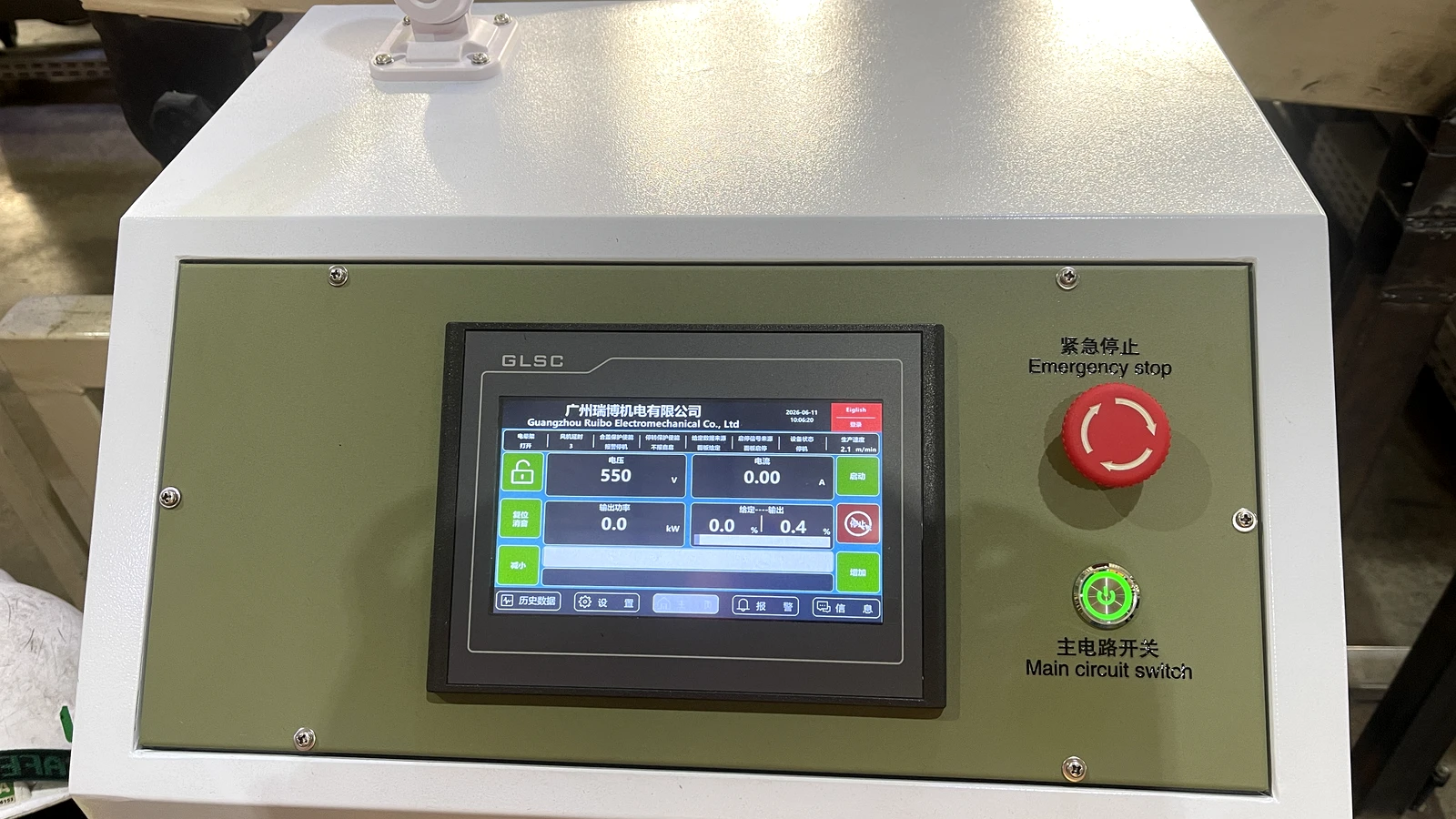
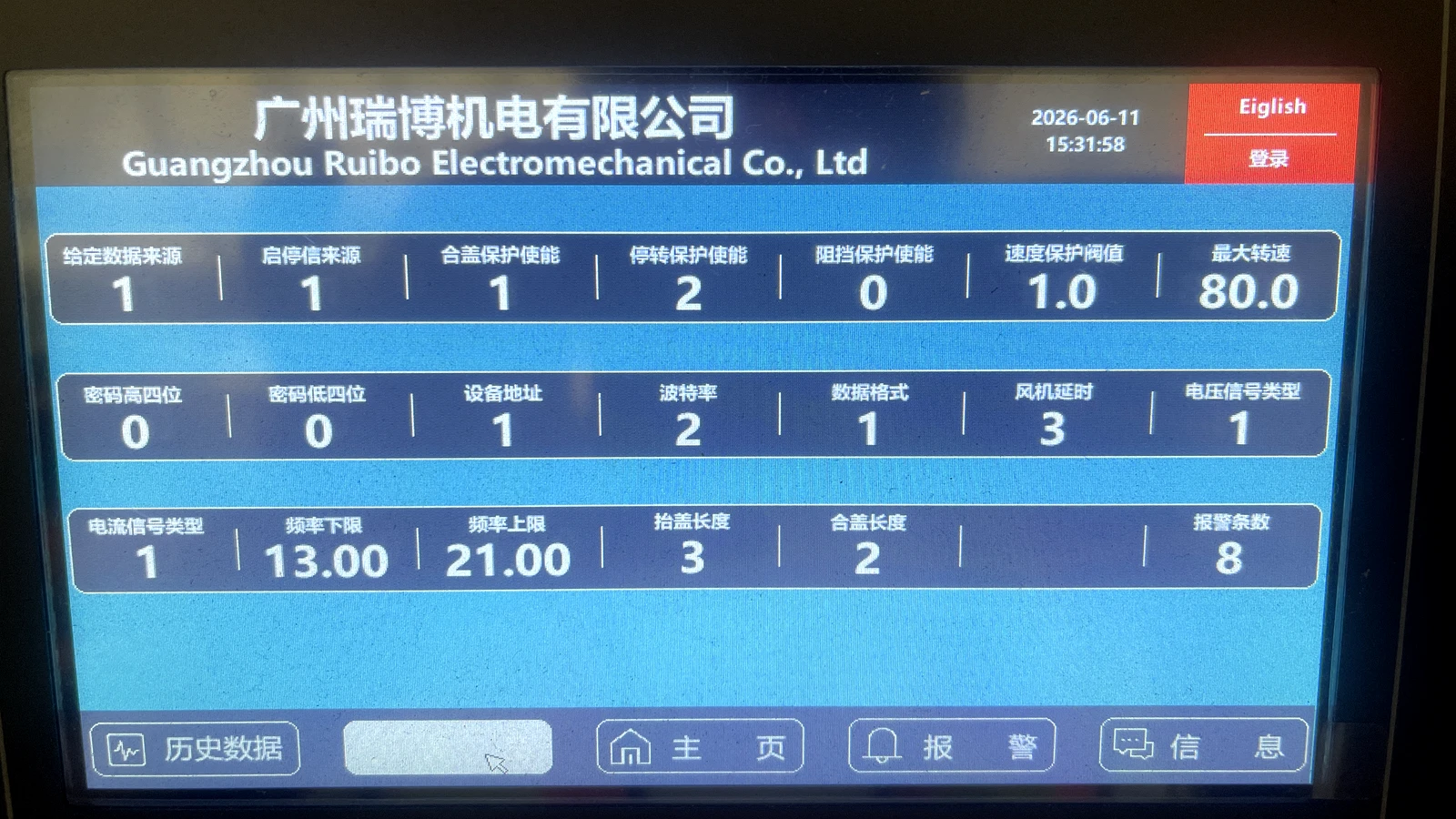
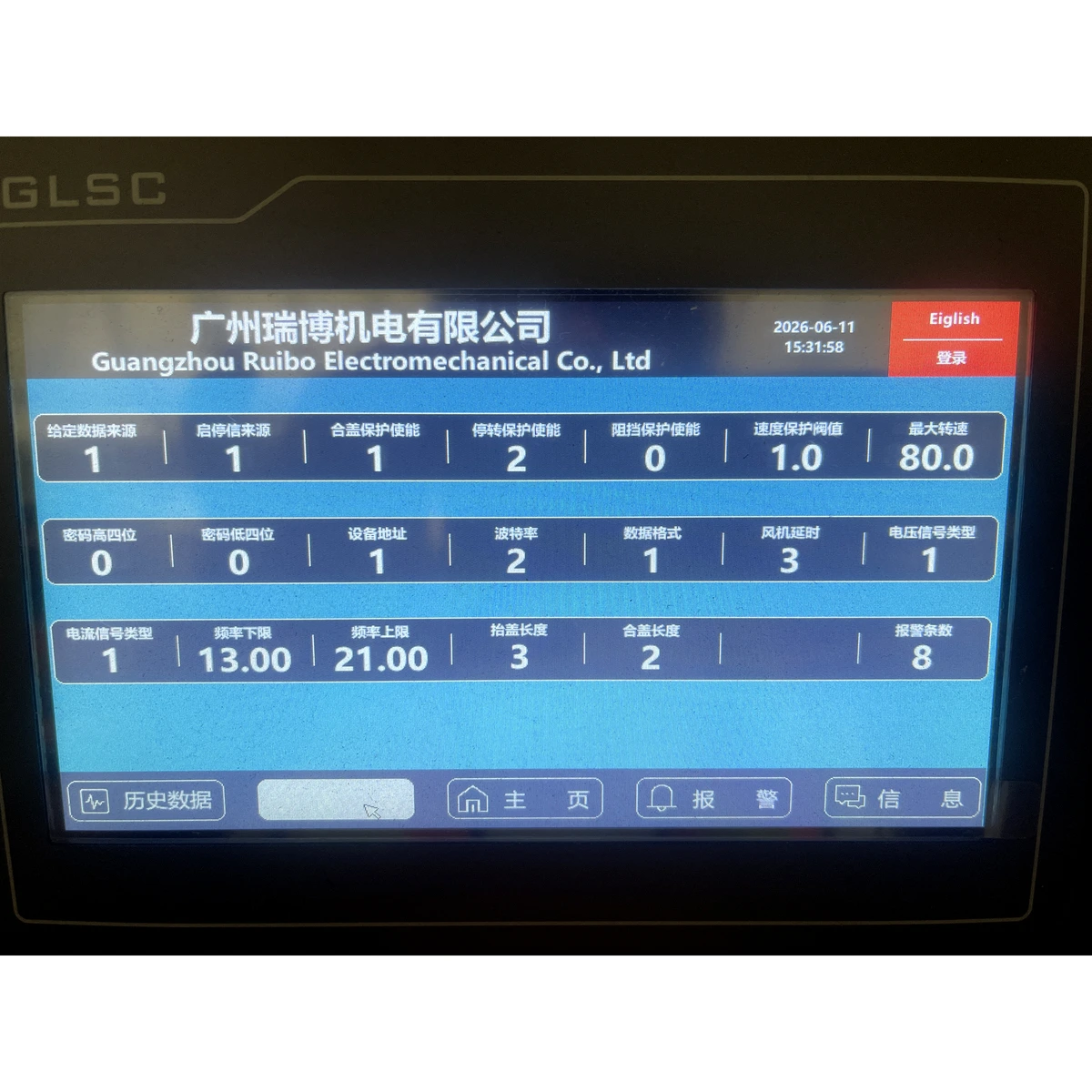
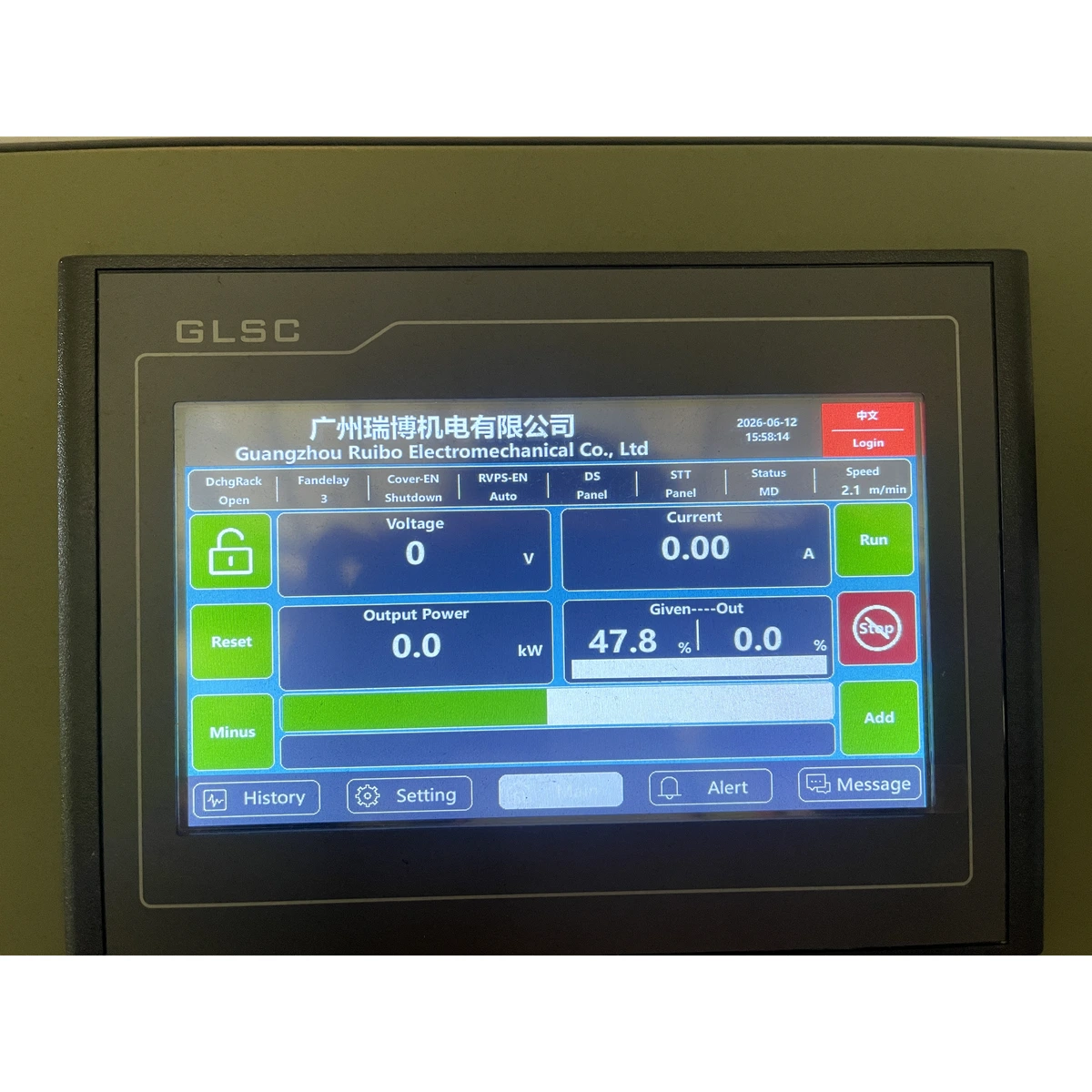
Full-color HMI displays real-time voltage, current, frequency, and power. Store unlimited process recipes with one-touch recall. Export treatment data for quality documentation.
Tool-Less Electrode Gap Adjustment
Precision mechanical adjustment allows 0.1mm repeatable gap setting without tools. No shims, no guesswork. Gap verified in seconds during changeovers.
Multi-Layer Protection System
Soft-start inrush protection, arc-over auto-shutdown, open/short circuit detection, no-ground lockout, and electrode station humidity immunity — five independent safety layers.
Factory-Configured Voltage
Pre-wired for your local 3-phase grid: 220V, 380V, 415V, or 440V. No external transformer. No on-site electrical modification. Plug-rated to your facility's supply.
Why Siemens IGBT Matters
The IGBT power module is the heart of a corona treater — it determines discharge stability, treatment uniformity, and service life. Our HCT series uses genuine Siemens IGBT modules, the same component found in European corona systems priced 2-3x higher. Combined with 25-40 KHz auto-matching frequency control and tool-less electrode gap adjustment (0.1mm repeatable), the HCT series delivers consistent dyne levels shift after shift. Factory-configured for your local 3-phase voltage — no external transformer required.
Factory Workshop
Trade Show