Mold Temperature Controller

Mold Temperature Controller

9 series, water & oil, 120–350°C, Omron PID, IP54 tropical-ready
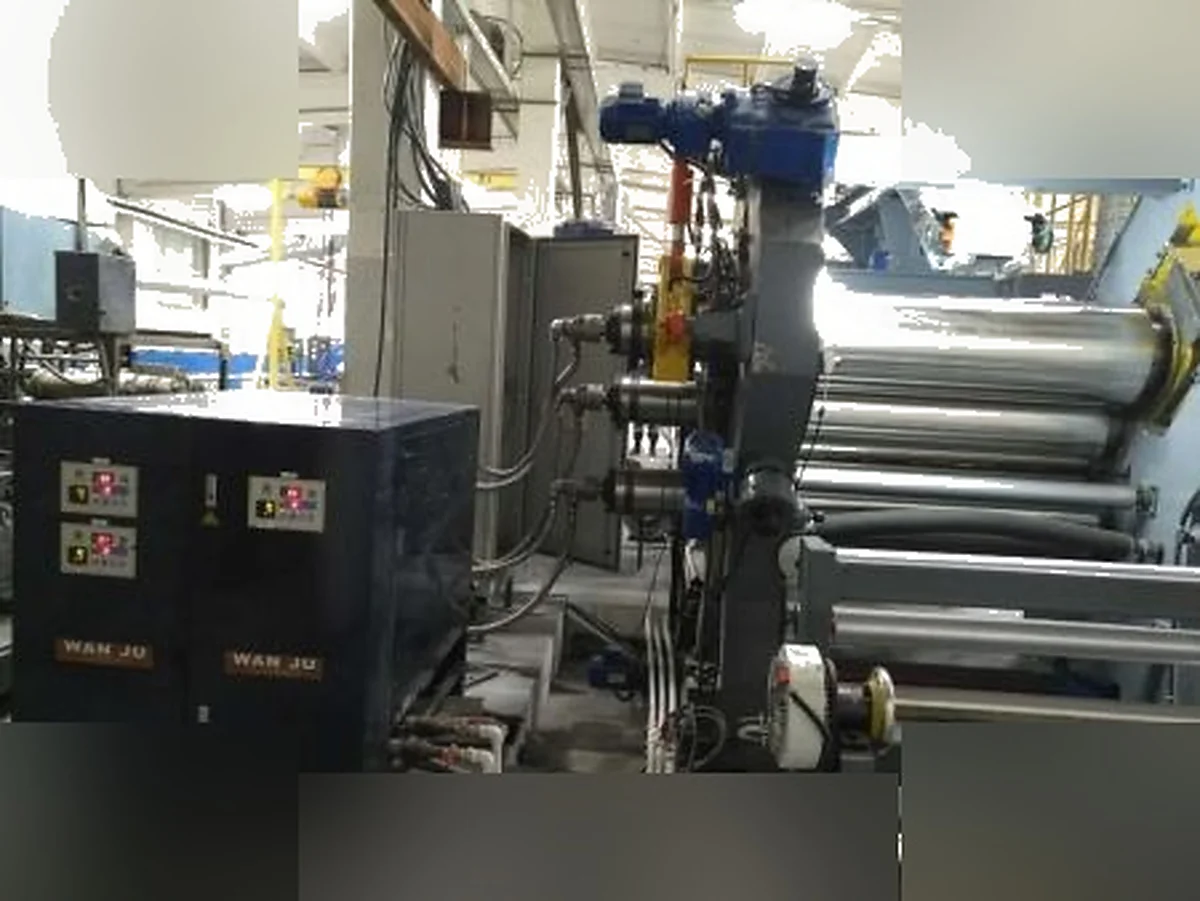
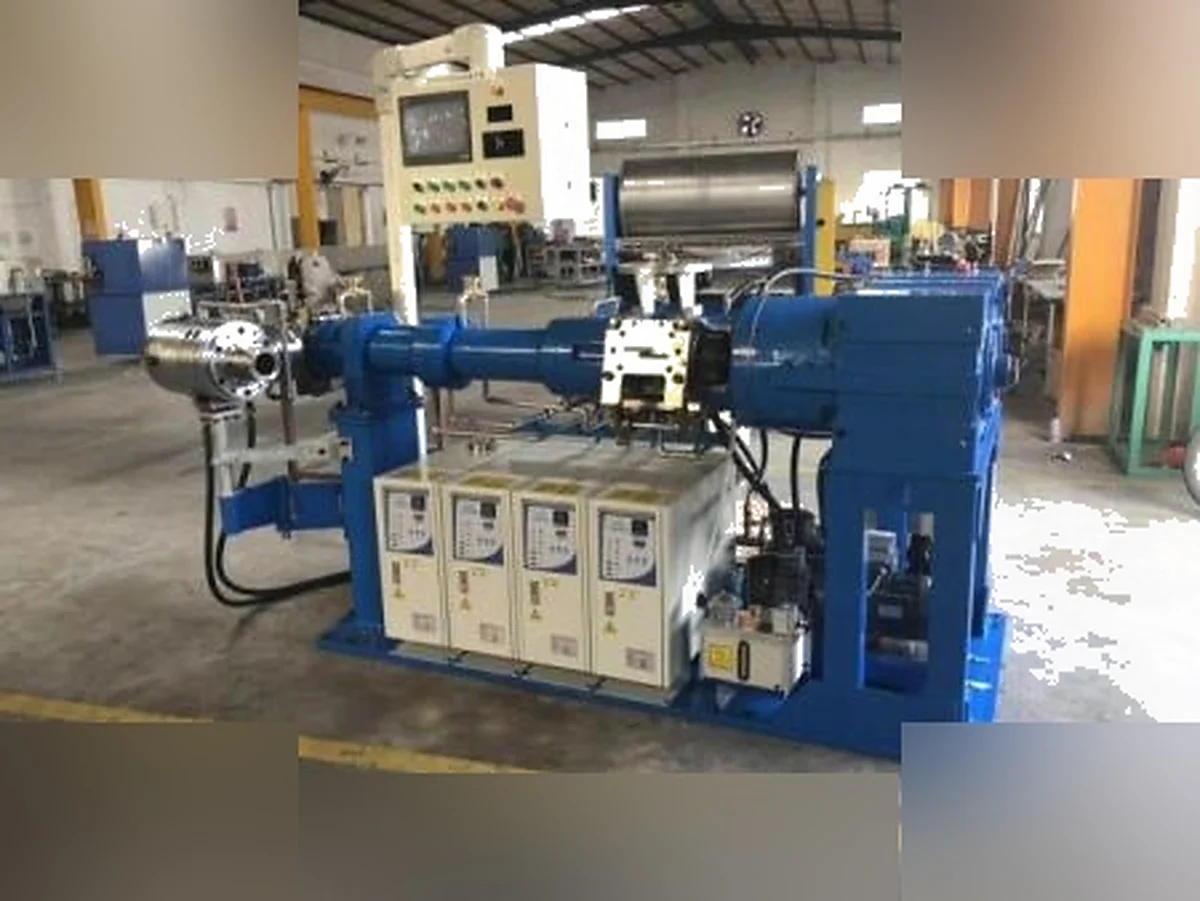
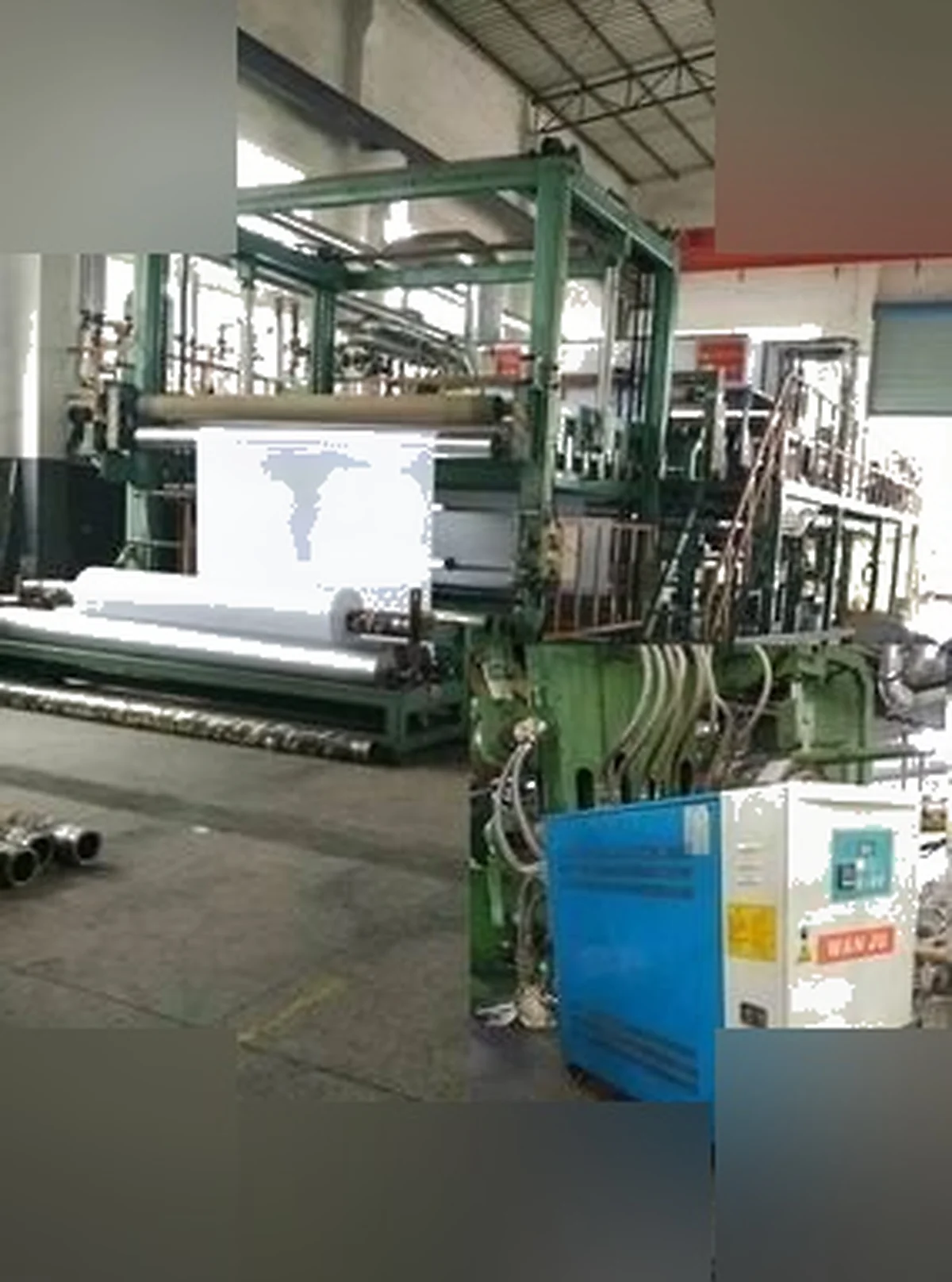
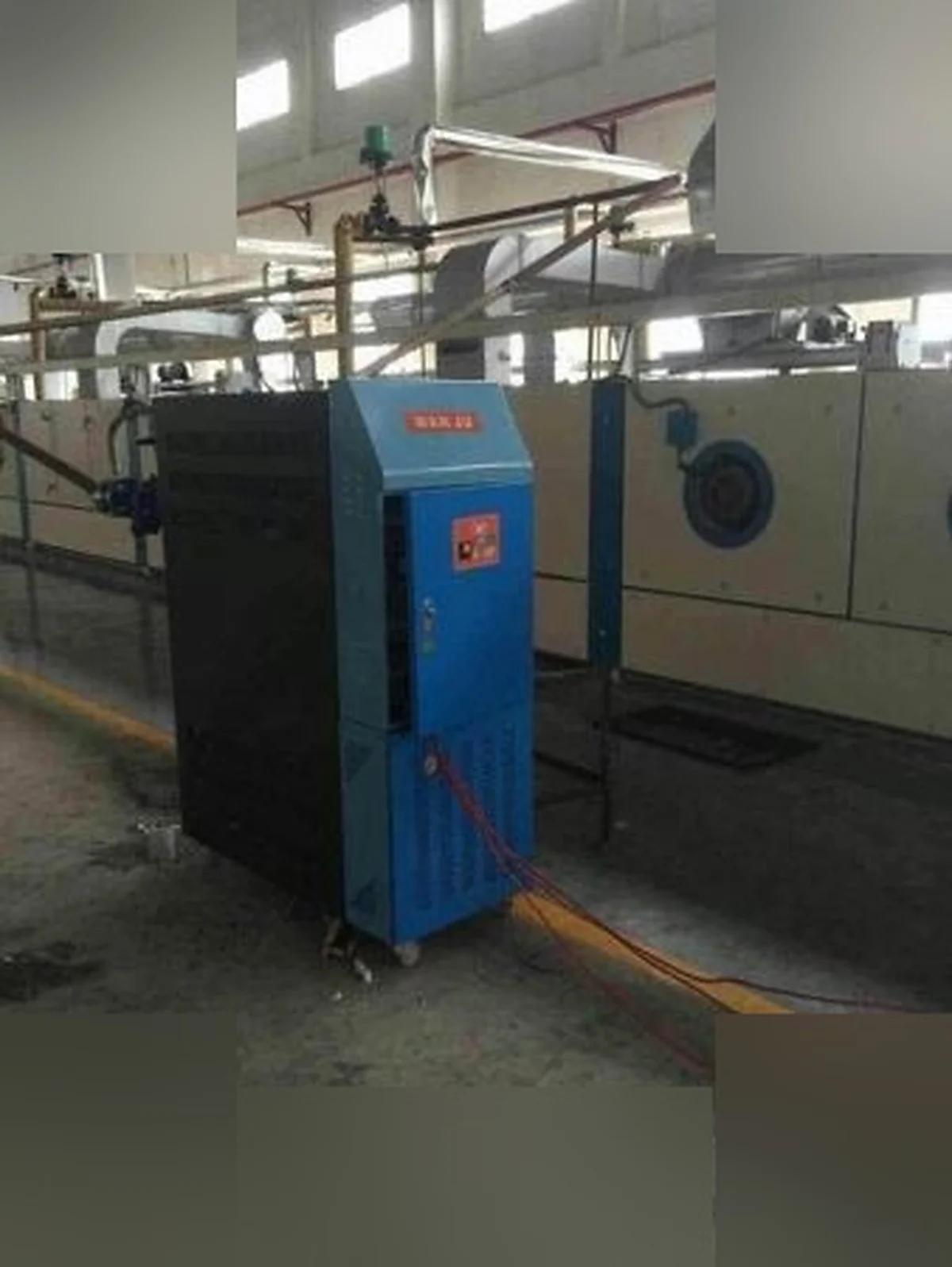
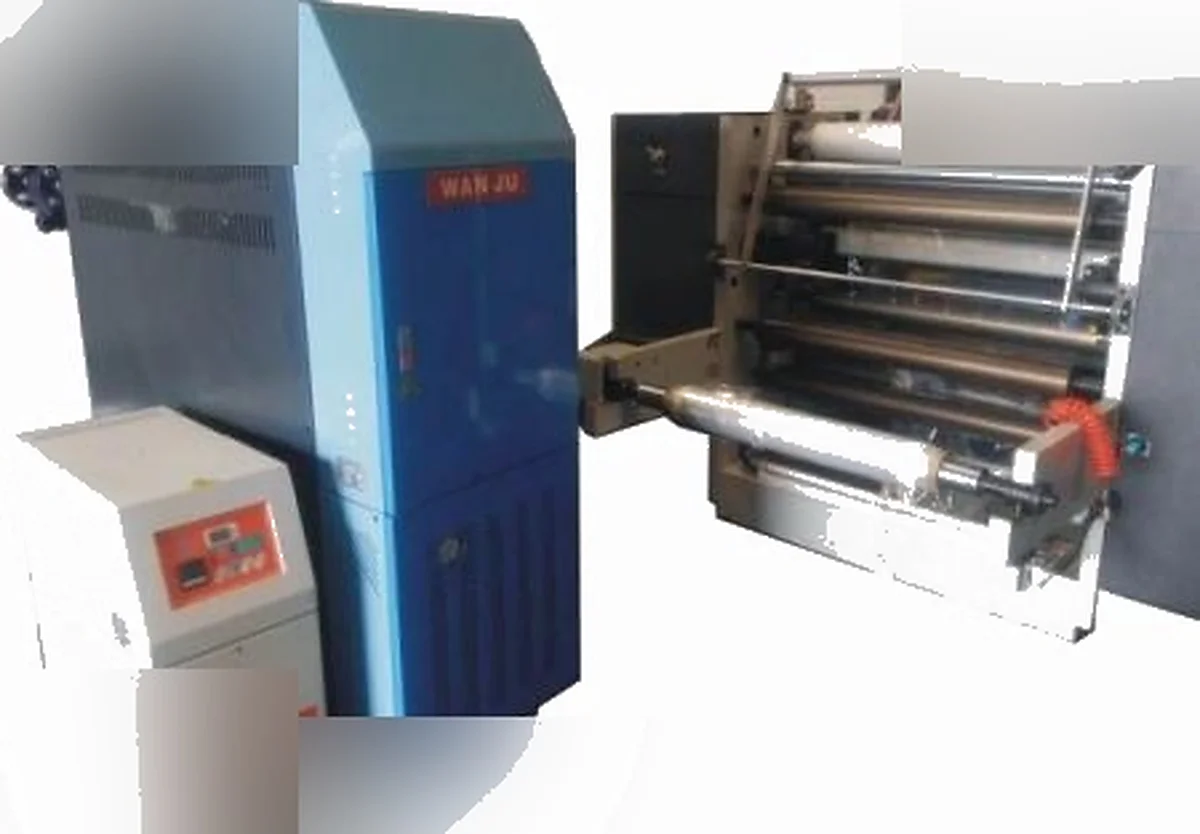
压延机三机一体模温机.webp
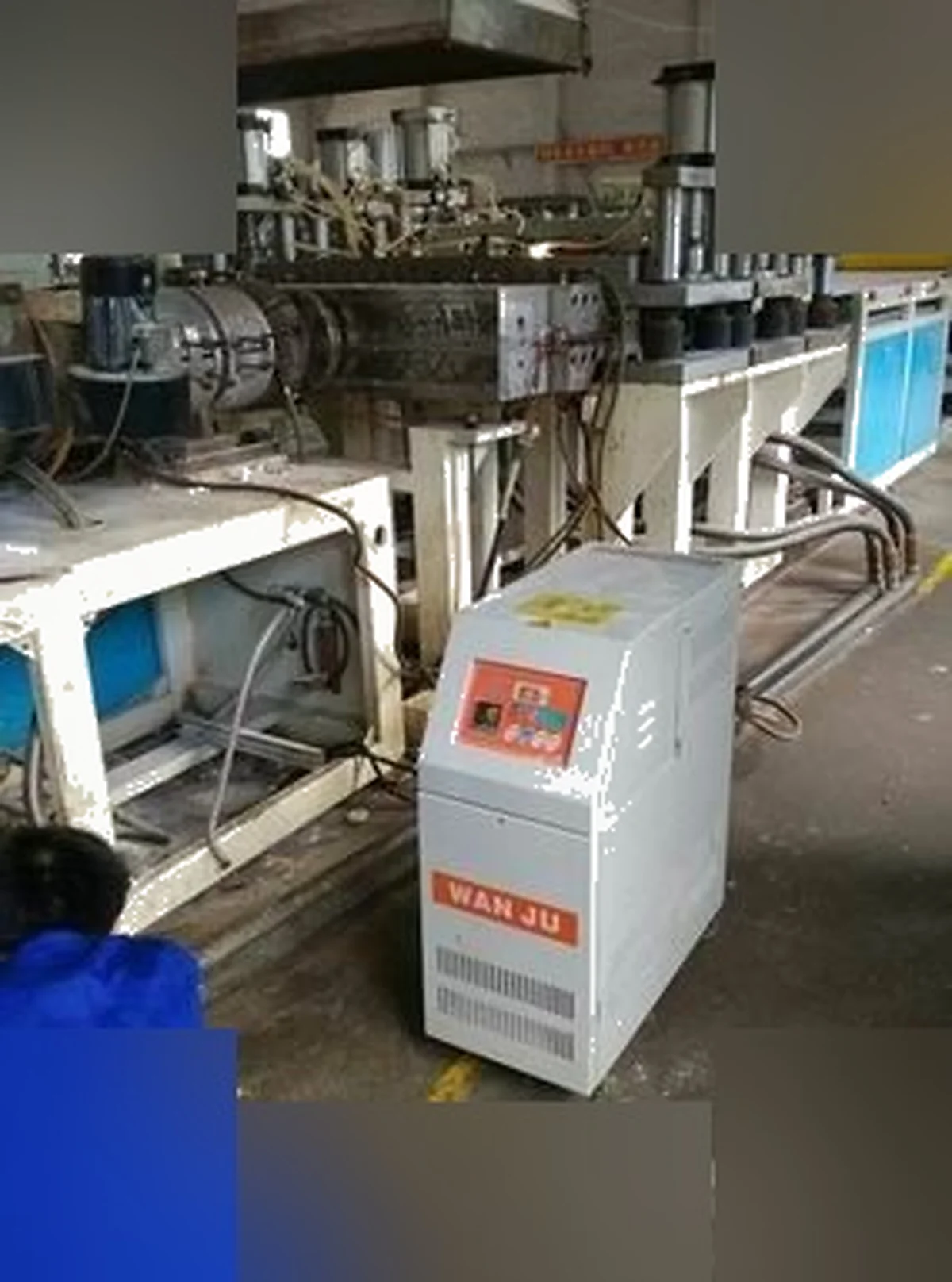
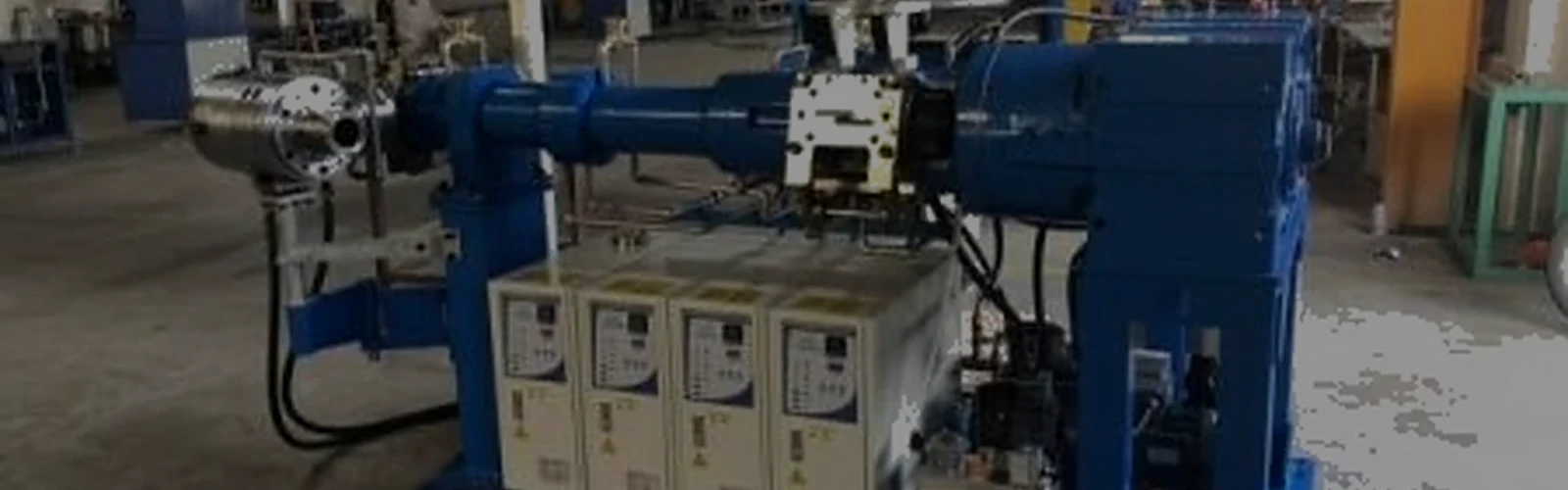
挤出机配套水温机.webp
片材挤出机油温机.webp
装饰膜温控机.webp
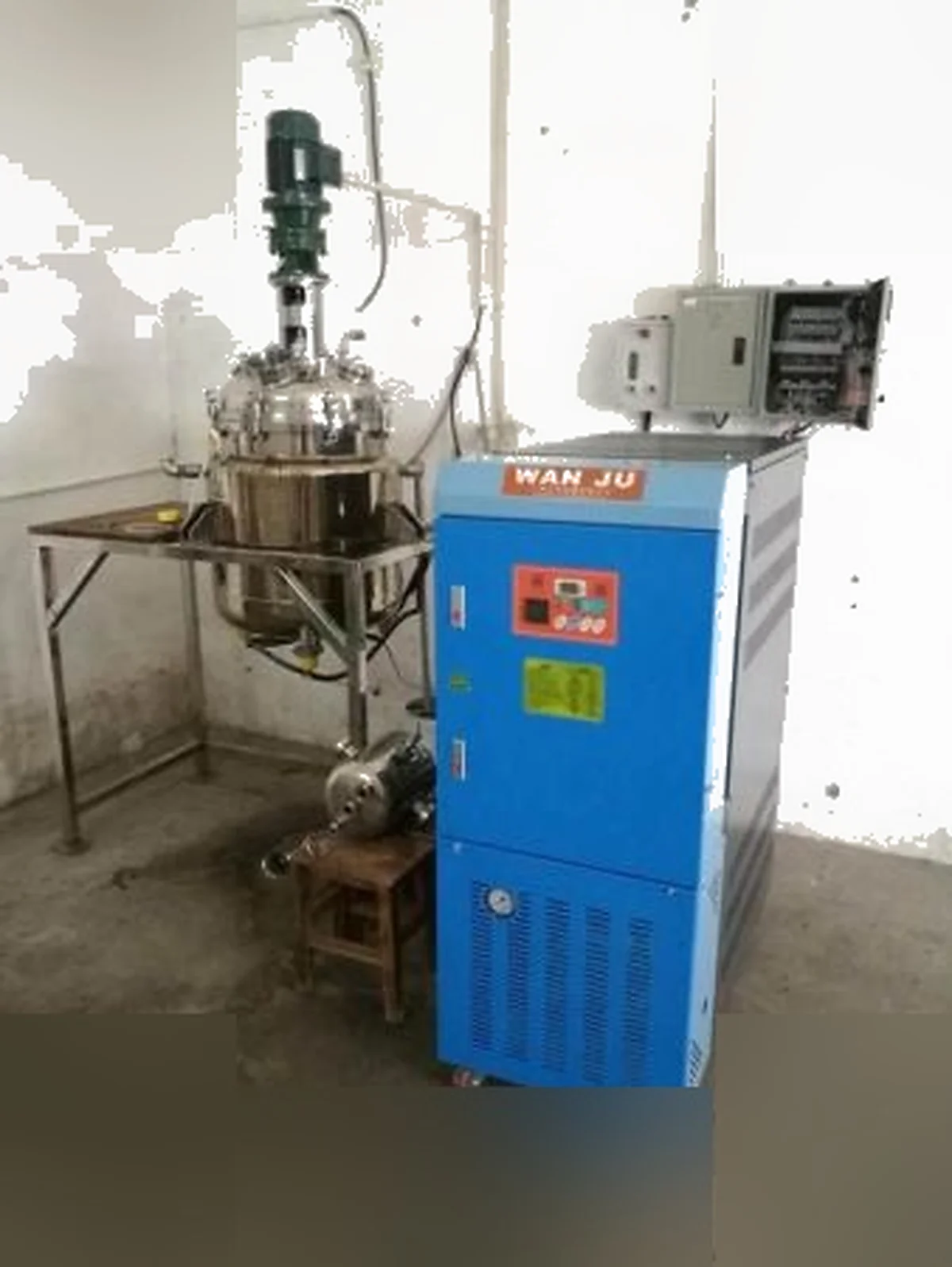
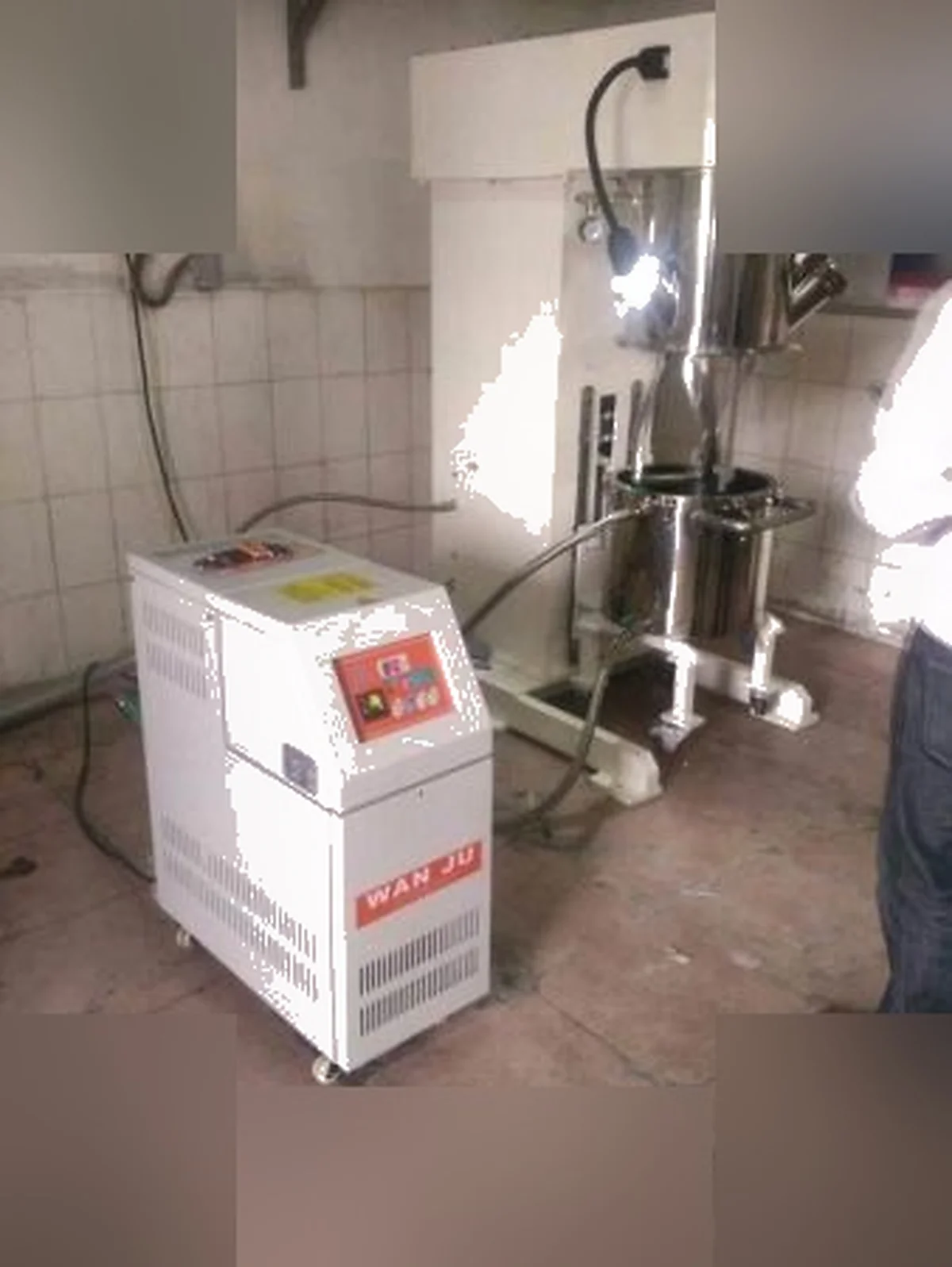
反应釜油加热器.webp
定型机烘箱导热油加热器.webp
搅拌机油加热器.webp
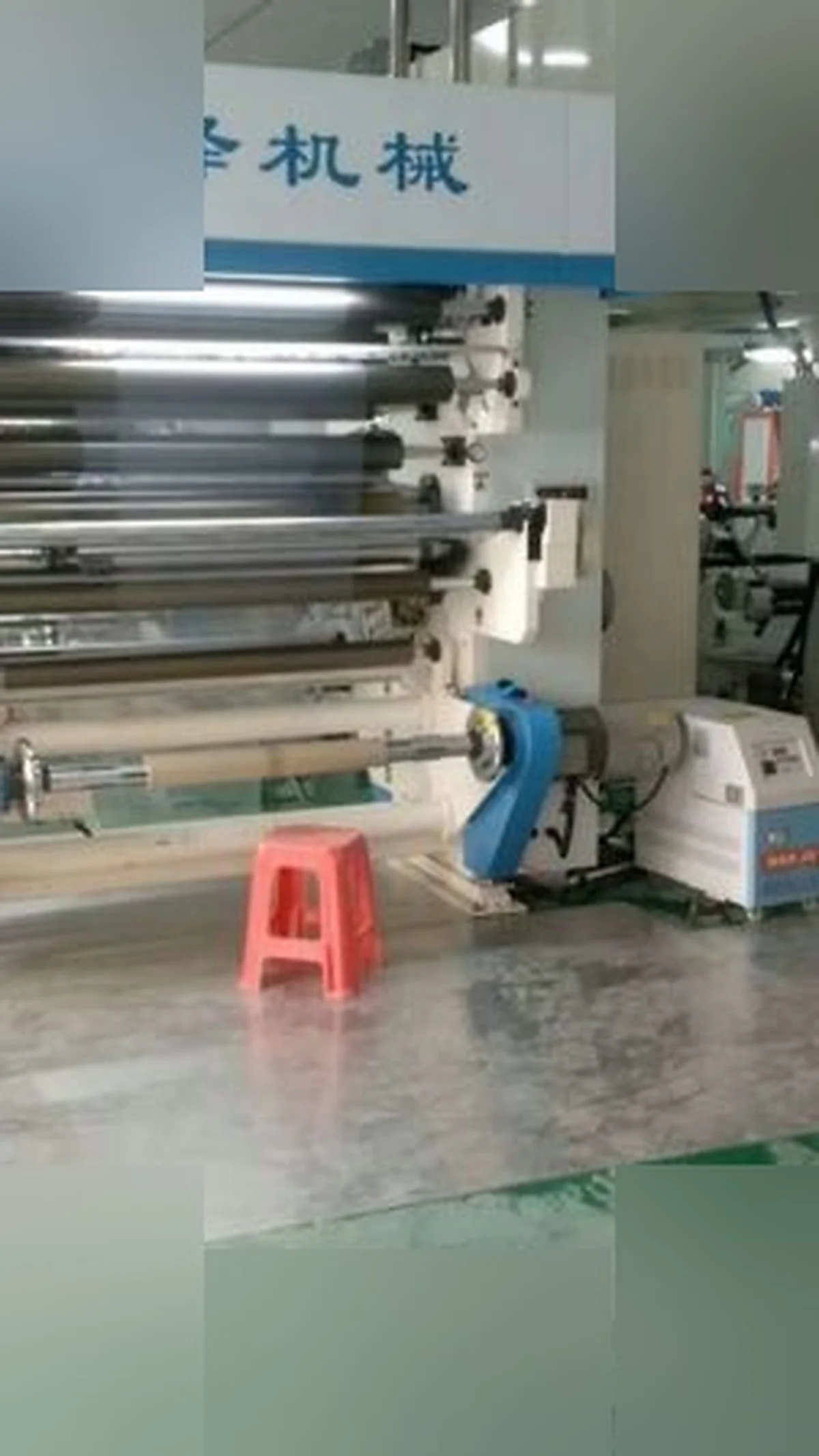
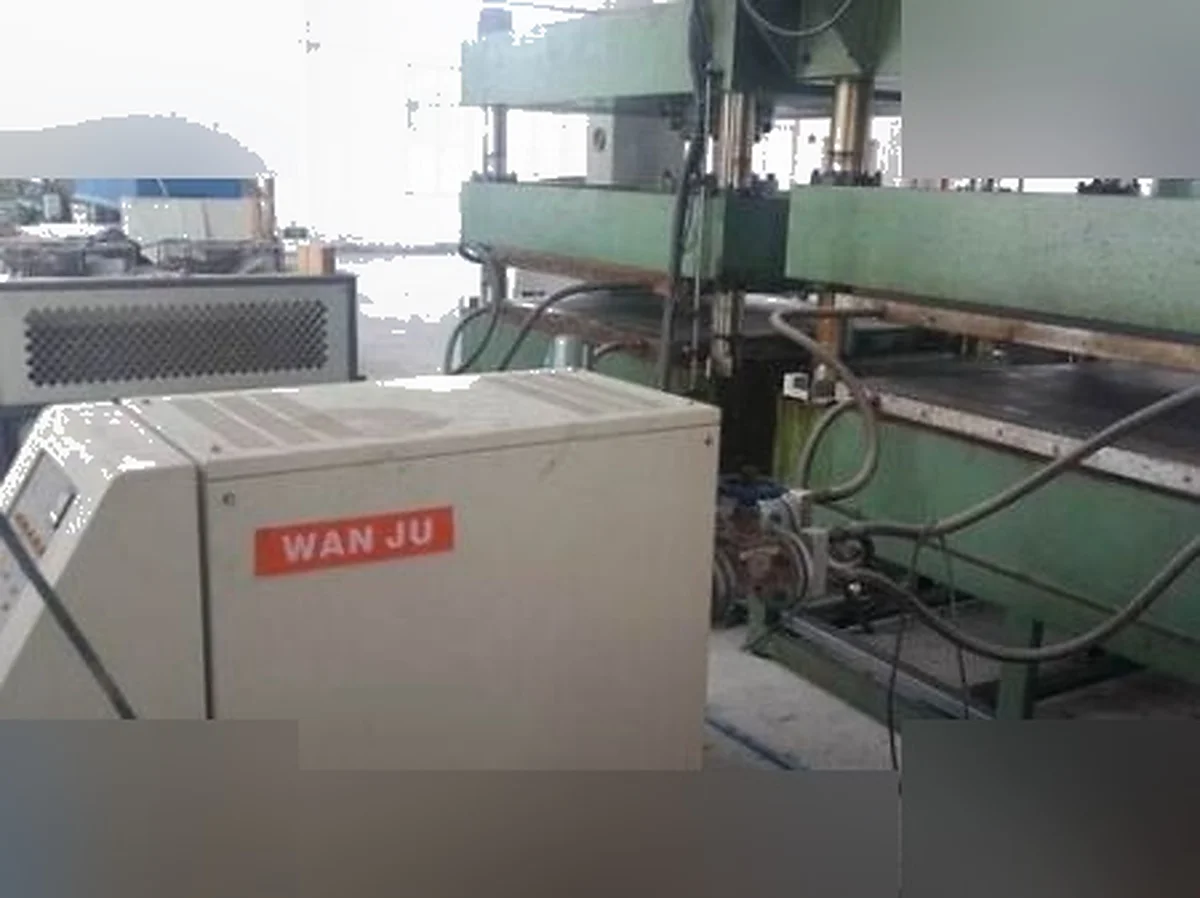
无溶剂复合机热水机.webp
无缝模压机油加热器.webp
油压机铁板油加热器.webp

Technical Specifications

Series WMP / WMPP / WTP / WMD / OHP / OHPP / OTP / OTK
Medium Water (WMP/WMD: up to 180°C), Oil (OHP/OTP/OTK: up to 350°C)
Temperature Range 120°C (Water) / 200–350°C (Oil)
Heating Power 6KW – 96KW
Pump Brand Grundfos / CNP / Ebara
Accuracy ±1°C (Omron PID, auto-tuning for automotive tooling thermal mass)
Voltage 380V / 415V / 440V 3-Phase (factory-configured, tropical climate hardened)

How It Works

A mold temperature controller (MTC) circulates a heat transfer medium — water or thermal oil — through a closed loop connecting to your mold, roller, or process equipment. An electric heating element brings the medium to the target temperature (±1°C via Omron PID control), a high-temperature pump drives circulation through the mold channels, and a cooling system (direct or indirect heat exchanger) removes excess heat to maintain precise setpoint stability. When the medium returns from the mold, it passes through a filter and temperature sensor before re-entering the heating chamber, creating a continuous, self-correcting thermal circuit. The result is uniform mold surface temperature across every cycle — critical for part dimensional consistency, surface finish, and cycle time optimization in automotive interior manufacturing.

Key Features

Omron PID with Auto-Tuning

Characterizes your mold's thermal mass during first heat-up and self-calibrates for ±1°C stability. No manual PID parameter adjustment required.

Grundfos High-Temperature Pumps

Danish-engineered NB series pumps rated for continuous 120°C operation (water-type) with MTBF exceeding 20,000 hours under normal service conditions.

IP54 Tropical-Ready Enclosure

Conformal-coated controller boards, stainless steel fasteners, and sealed cabinets protect against humidity, dust, and the aggressive factory atmospheres common in Southeast Asia.

Swedish Heating Elements

Imported nickel-chromium resistance wire with magnesium oxide insulation, delivering uniform heat distribution and extended service life compared to standard elements.

Schneider / Omron Electrical System

Contactors, relays, and circuit breakers from Schneider (France) and Omron (Japan) — same component brands used in premium European temperature control systems.

Multi-Protocol Communication-Ready

Optional RS-485, RS-232C, Devicenet, or PLC interface modules for integration with your plant's central SCADA or MES monitoring system.

Typical Applications

  • - Mold heating for carpet backing presses
  • - Dash insulator compression mold temperature control
  • - PU foam pour-line mold conditioning
  • - Wheel arch liner thermoforming tools
  • - Injection mold and roll stack temperature regulation
  • - Reactor and mixing vessel thermal control
  • - Calender roller temperature management

Selection Guide

Water or oil as the heat transfer medium?
Water-type units (WMP, WMD, WTP) operate up to 120–180°C and are ideal for injection molding, extrusion, and calender rollers. Oil-type units (OHP, OTP, OTK) reach 200–350°C and are required for compression molding, high-temperature pressing, and processes where water would boil. For automotive interiors, oil-type is the default recommendation for hot-press forming.
What heating power do I need?
Calculate from your mold mass, target temperature, and required heat-up time. As a rule of thumb: small molds (~100kg) need 6–12KW, medium molds (~300kg) need 18–24KW, and large press platens (~500kg+) need 36–96KW. We provide a detailed heat load calculation as part of every technical proposal.
Do you support dual-circuit control?
Yes. The WMPP (water) and OHPP (oil) series provide two independent temperature control channels in a single unit — one for the upper mold half and one for the lower, or for simultaneous control of two separate tools. Ideal for press tools requiring different temperatures on each side.
Can I use this with my existing press?
Almost certainly yes. Our MTCs use standard industrial connections and can integrate with any hydraulic press, calender, or forming line. We configure voltage (380/415/440V 3-phase), pump specifications, and interface protocols to match your existing setup before shipment.

FAQ

How do you guarantee ±1°C accuracy in a tropical factory environment?
Our PID controllers use auto-tuning algorithms that characterize the thermal mass of your specific tooling during the first heat-up cycle. Combined with Omron sensors (response time <0.5s), IP54 control cabinets with conformal-coated PCBs, and stainless steel fasteners throughout, the system maintains ±1°C even in 35°C+ ambient with 90% humidity.
What pump brands do you use and why?
Water-type models use Grundfos (Denmark) NB series high-temperature pumps rated for continuous 120°C operation. Oil-type models use TECO (Taiwan) or Ebara (Japan) shaft pumps rated for 350°C. We never use unbranded pumps — pump failure is the #1 cause of MTC downtime.
What happens if the pump runs dry or the oil level drops?
Every unit includes low-level and low-flow protection. If the medium level drops below the safe threshold or flow stops, the controller triggers an alarm, cuts heater power, and displays the fault on the HMI. This protects both the pump and the heating elements from damage.
How long does delivery take to Southeast Asia?
Standard models ship in 15–35 working days from order confirmation. Sea freight to major ASEAN ports (Jakarta, Port Klang, Laem Chabang, Ho Chi Minh City) takes approximately 7–15 days. Total door-to-port timeline is typically 5–7 weeks.
Do I need a separate cooling tower or chiller?
Direct-cooling models (WMP, WMPP) require a cooling water supply (municipal or tower) at 2 kg/cm² minimum pressure. Indirect-cooling models (WMD, OHP, OTP, OTK) include a built-in heat exchanger and only need a cooling water source — no separate chiller required. We confirm your site utility conditions during the technical review.